Wood Decay Removal in Wilmington, NC
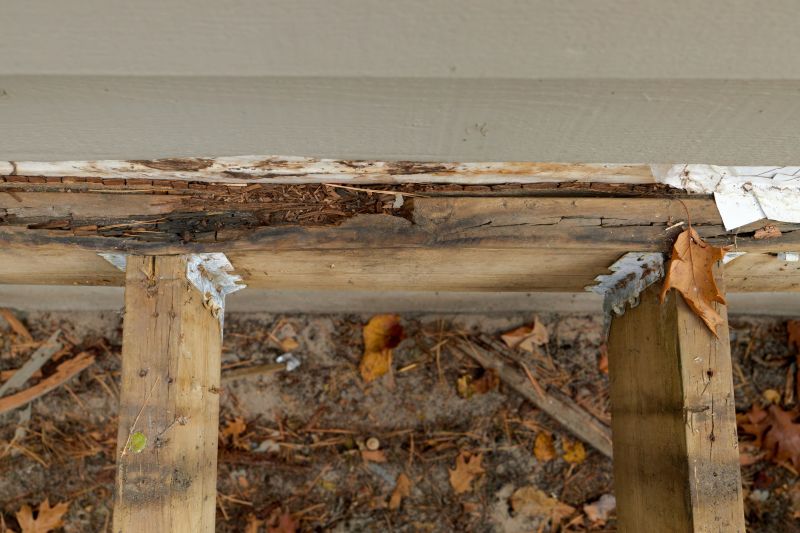
Wood decay removal services focus on identifying and eliminating areas of wood that have been compromised by rot, fungi, or insect damage. This service is often requested for projects involving damaged decks, fences, siding, or structural beams, where compromised wood can weaken the integrity of a property. Property owners typically want to understand the extent of the decay, the methods used to remove affected wood, and the steps taken to prevent future damage, ensuring the safety and longevity of their structures.
Before requesting wood decay removal, homeowners should assess the visible signs of deterioration, such as soft spots, discoloration, or crumbling wood. It is also helpful to understand whether the decay has penetrated deeply or is limited to surface areas, as this influences the scope of work needed. Proper inspection can determine if additional treatments, such as wood preservers or protective coatings, are recommended to help safeguard the remaining wood and prevent recurrence of decay.
Many property owners in Wilmington, NC look into Wood Decay Removal for repairs, replacements, upgrades, and appearance-related improvements.
Identifying Wood Decay
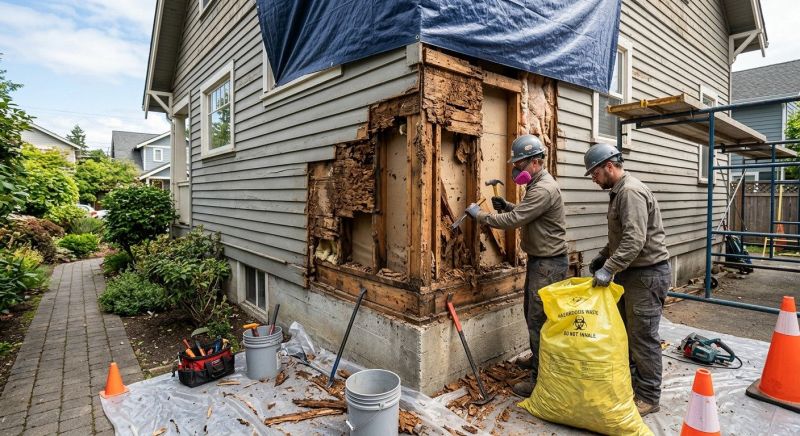
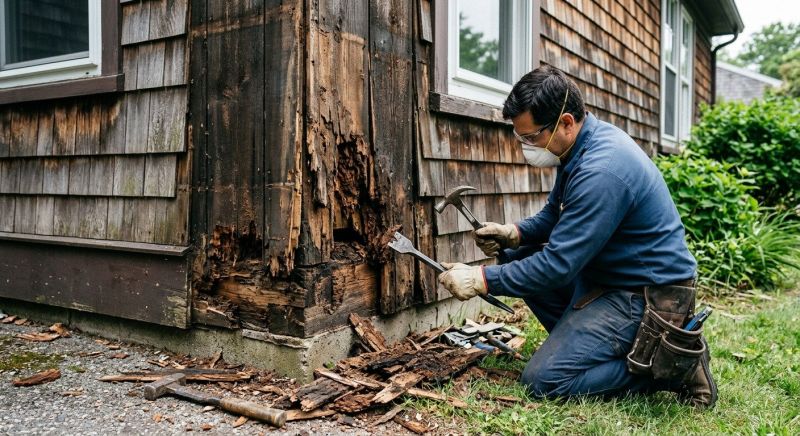
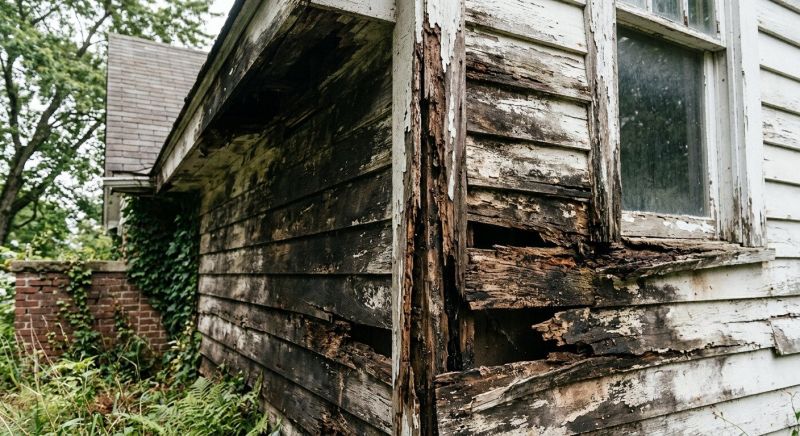
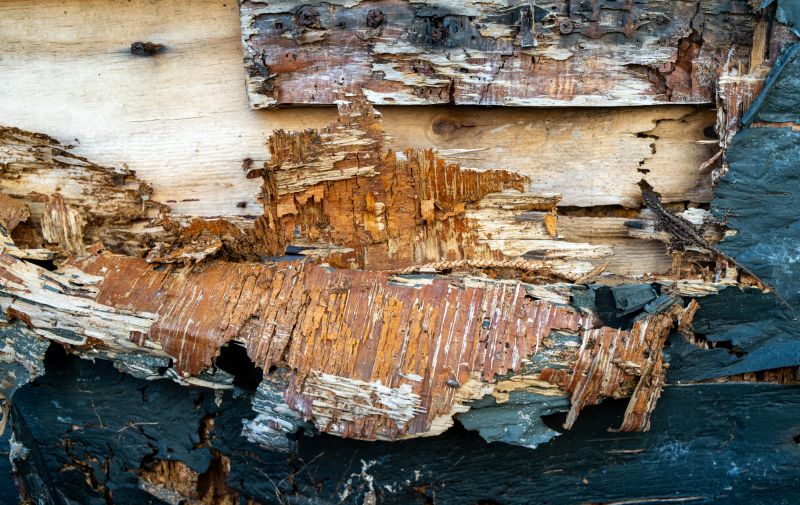
Signs of wood decay often include soft spots, discoloration, and structural weakening in wooden surfaces.
Common Causes Of Decay
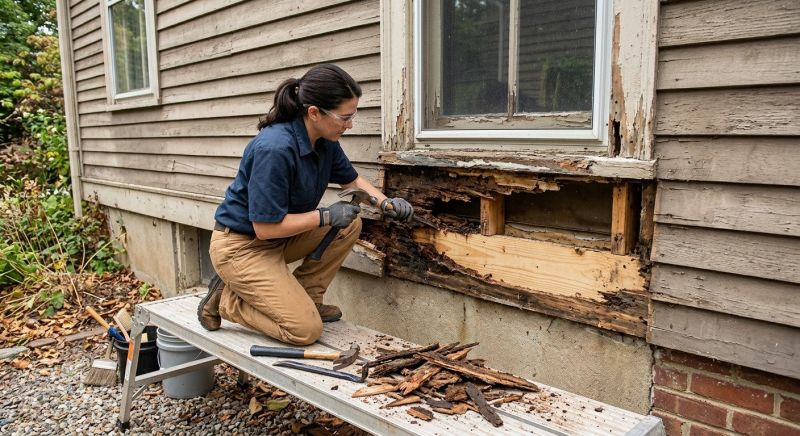
Excess moisture, poor ventilation, and wood rot are typical factors contributing to decay in wilmington homes.
Preventive Maintenance
Regular inspections and prompt repairs help protect wood structures from further damage and decay.
Wood Decay Removal in Wilmington, NC
Wood decay removal services focus on identifying and eliminating areas of wood that have been compromised by rot, fungi, or insect damage. This service is often requested for projects involving damaged decks, fences, siding, or structural beams, where compromised wood can weaken the integrity of a property. Property owners typically want to understand the extent of the decay, the methods used to remove affected wood, and the steps taken to prevent future damage, ensuring the safety and longevity of their structures.
Before requesting wood decay removal, homeowners should assess the visible signs of deterioration, such as soft spots, discoloration, or crumbling wood. It is also helpful to understand whether the decay has penetrated deeply or is limited to surface areas, as this influences the scope of work needed. Proper inspection can determine if additional treatments, such as wood preservers or protective coatings, are recommended to help safeguard the remaining wood and prevent recurrence of decay.
Many property owners in Wilmington, NC look into Wood Decay Removal for repairs, replacements, upgrades, and appearance-related improvements.
Common Wood Decay Removal Jobs
Wood Decay Removal - Eliminates rotted wood to prevent further structural damage.
Fungal and mold treatment - Removes mold and fungi that weaken wood surfaces.
Surface cleaning and prep - Prepares affected areas for effective decay treatment.
Infected wood replacement - Replaces severely decayed wood to restore stability.
Preventative wood preservation - Applies treatments to slow future decay and protect new wood.
Inspection and assessment - Identifies areas at risk of decay and recommends appropriate action.
Wood Decay Removal Questions
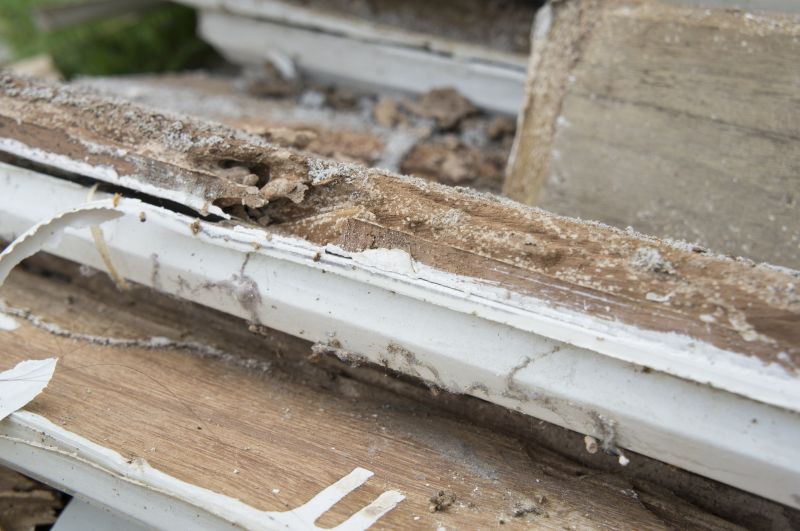
What causes wood decay in properties? Wood decay is primarily caused by moisture exposure, which promotes fungal growth and rot in wooden structures.
How can I tell if my wood has decay? Signs include soft spots, discoloration, mold growth, or crumbling wood in areas like siding, decks, or fences.
Is removal necessary for decayed wood? Yes, removing decayed wood helps prevent further damage and prepares the area for proper repair or replacement.
What types of projects typically need decay removal? Common projects include deck repairs, siding replacement, fence restoration, and structural wood repairs.
Request Wood Decay Removal in Wilmington, NC
Use the quote form on this page to share the basics of your project and request more information for the type of work you need.