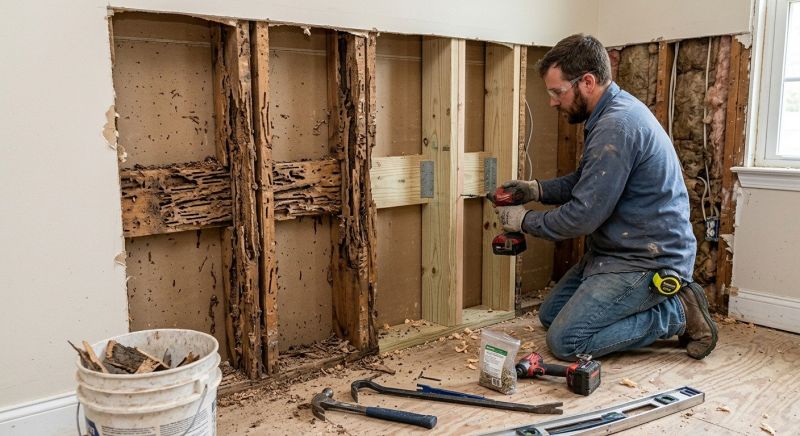
Pest Damage Repair in Kansas City, KS
Pest damage repair services focus on restoring property features that have been compromised by insects, rodents, or other pests. This can include fixing chewed wiring, repairing wood structures affected by termites, sealing entry points to prevent future invasions, and restoring damaged drywall or insulation. Homeowners often seek these services after noticing signs of pest activity, such as holes, droppings, or unusual odors, to prevent further deterioration and maintain the safety and integrity of their property.
Before requesting pest damage repair, property owners typically want to understand the extent of the damage and the necessary repairs to ensure their home remains secure and functional. It's helpful to identify the specific areas affected, whether it’s structural wood, electrical wiring, or insulation, and to consider any pest control measures needed to address ongoing issues. Clear communication about the scope of damage can assist in planning effective repairs and preventing future pest-related problems.
Many property owners in Kansas City, KS look into Pest Damage Repair for repairs, replacements, upgrades, and appearance-related improvements.
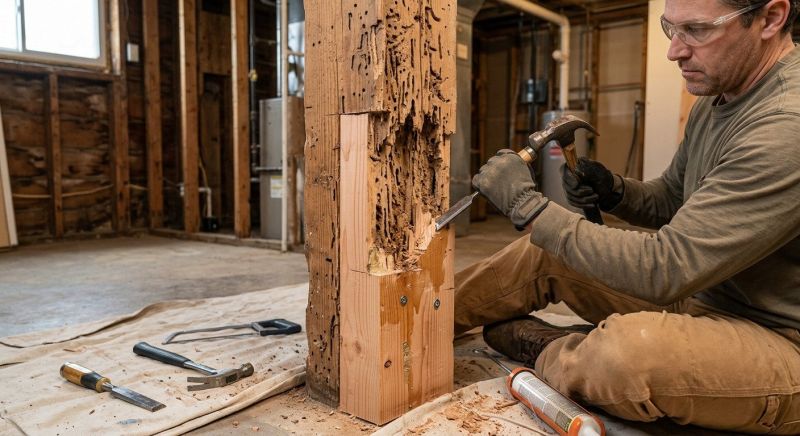
Structural Damage Repair
Restoring the integrity of your property's foundation after pest infestations.
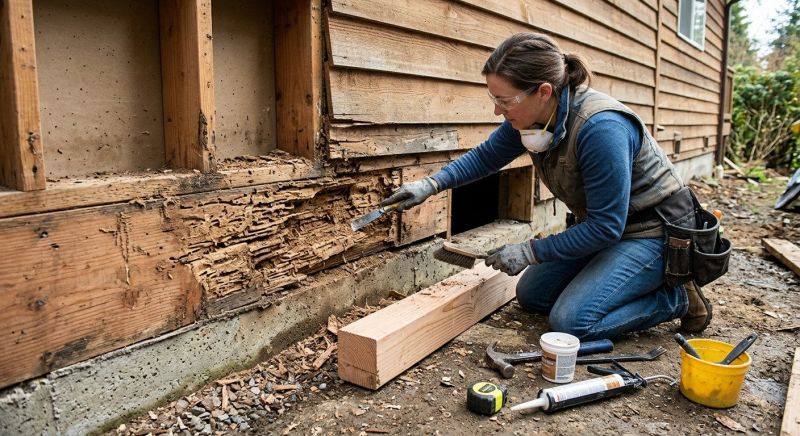
Wood Damage Restoration
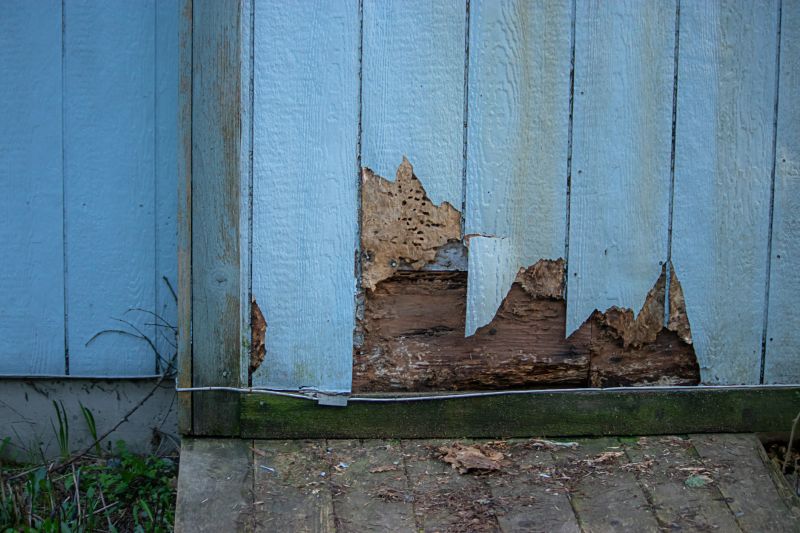
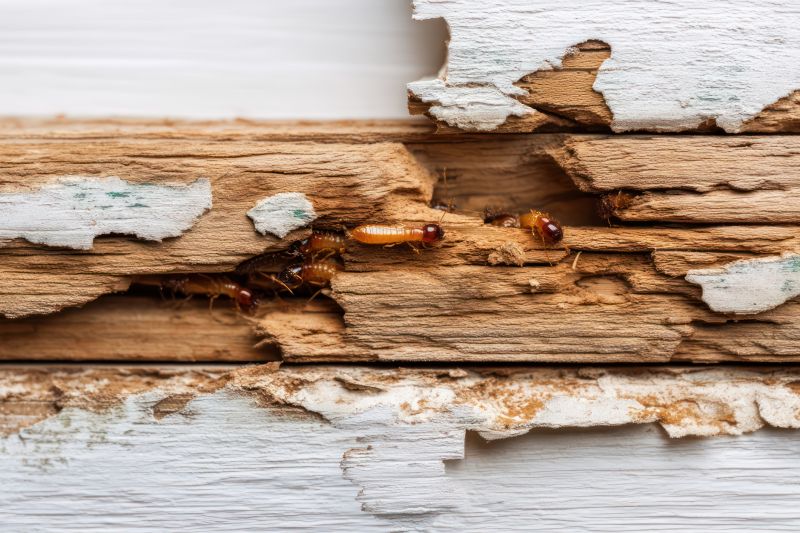
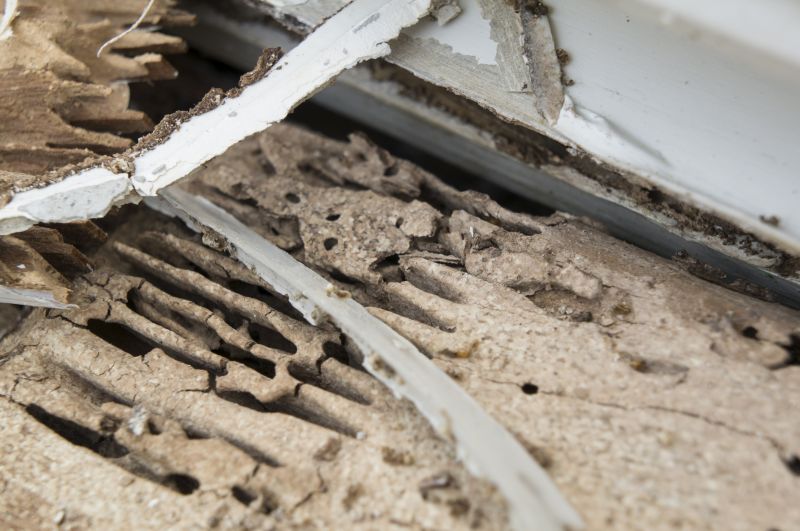
Addressing chewed or weakened wood caused by termites and other pests.
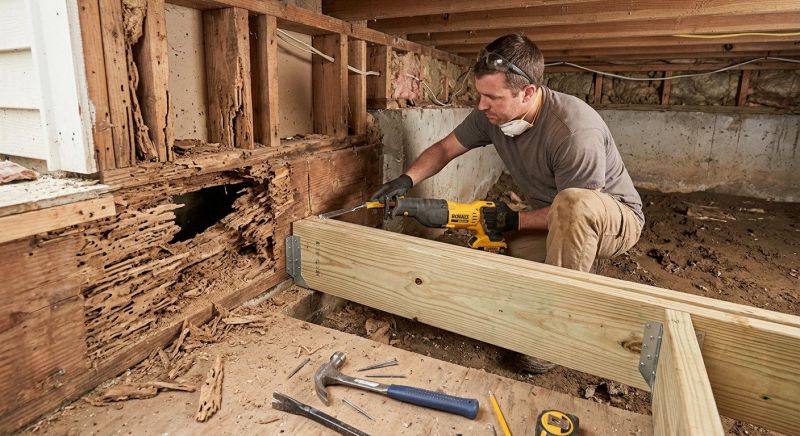
Moisture And Leak Fixes
Sealing entry points and preventing further pest-related water damage.
Pest Damage Repair in Kansas City, KS

Pest damage repair services focus on restoring property features that have been compromised by insects, rodents, or other pests. This can include fixing chewed wiring, repairing wood structures affected by termites, sealing entry points to prevent future invasions, and restoring damaged drywall or insulation. Homeowners often seek these services after noticing signs of pest activity, such as holes, droppings, or unusual odors, to prevent further deterioration and maintain the safety and integrity of their property.
Before requesting pest damage repair, property owners typically want to understand the extent of the damage and the necessary repairs to ensure their home remains secure and functional. It's helpful to identify the specific areas affected, whether it’s structural wood, electrical wiring, or insulation, and to consider any pest control measures needed to address ongoing issues. Clear communication about the scope of damage can assist in planning effective repairs and preventing future pest-related problems.
Many property owners in Kansas City, KS look into Pest Damage Repair for repairs, replacements, upgrades, and appearance-related improvements.
Common Pest Damage Repair Jobs
Structural Repairs - restoring damaged wood and framing caused by pest activity.
Wall and Ceiling Repairs - fixing holes and cracks resulting from pest infestations.
Flooring Restoration - replacing or repairing floors affected by pests like termites.
Insulation Replacement - removing and installing new insulation after pest damage.
Damage Assessment - evaluating the extent of pest-related harm to property components.
Preventive Repairs - sealing entry points and repairing vulnerabilities to deter future pests.
Pest Damage Repair Questions
What types of pest damage require repair? Damage caused by termites, rodents, or insects that compromise structural integrity or create holes in walls and floors may need repair.
How can pest damage affect property value? Unaddressed pest damage can reduce property value and lead to further deterioration if not repaired promptly.
What signs indicate the need for pest damage repair? Signs include visible holes, weakened wood, droppings, or unusual odors around the property.
What materials are used for pest damage repairs? Repairs typically involve replacing damaged wood, drywall, or insulation to restore the property's condition.
Request Pest Damage Repair in Kansas City, KS
Use the quote form on this page to share the basics of your project and request more information for the type of work you need.